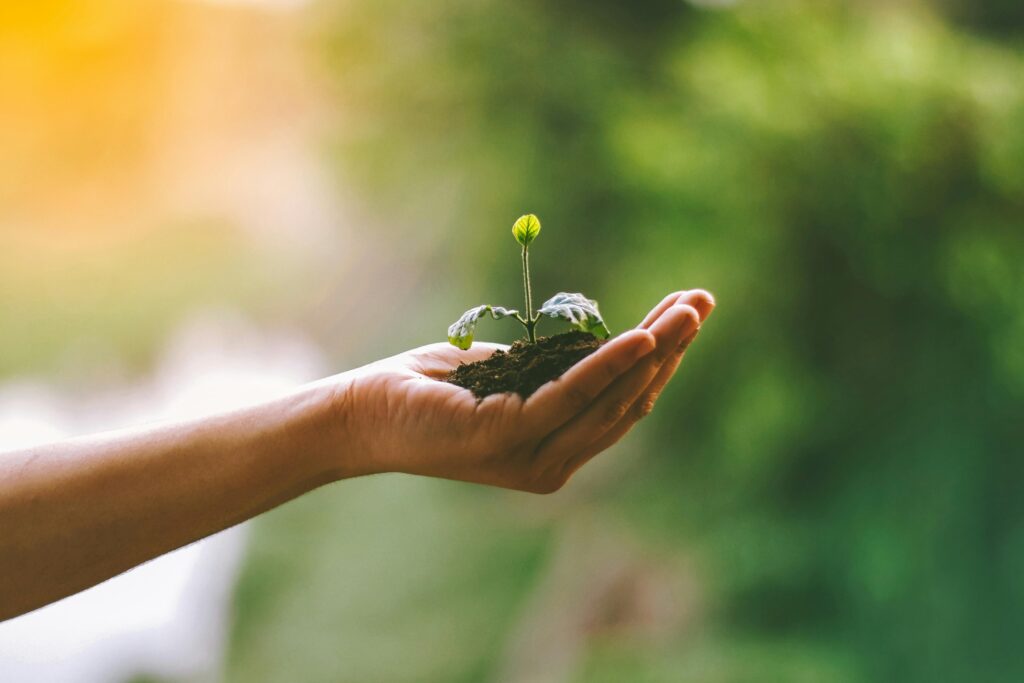
Nature is the foundation of life on Earth. The air we breathe, the water we drink, the food we eat, and the beauty that refreshes our minds all come from nature. Mountains, rivers, forests, oceans, animals, birds, and changing seasons together create a balance that supports life. Human beings have always depended on nature, yet in the race for comfort and development, we often forget our responsibility toward it.
Nature teaches harmony, patience, and selflessness. Trees provide oxygen without expecting anything in return. Rivers continue to flow, nourishing lands and civilizations. The sun rises every day, spreading light equally to all. Every element of nature performs its duty silently and consistently. Unfortunately, humans have not always shown the same respect toward the environment. Rapid urbanization, deforestation, industrial pollution, excessive use of plastic, and overconsumption of resources have disturbed the balance of nature.
One of the biggest environmental concerns today is climate change. Due to increasing pollution and greenhouse gas emissions, the Earth’s temperature is rising. Glaciers are melting, sea levels are increasing, and unpredictable weather conditions are becoming more common. Floods, droughts, heatwaves, and forest fires are affecting millions of lives across the world. Many species of plants and animals are becoming extinct because their natural habitats are being destroyed. These environmental problems affect the entire planet.
Another major concern today is the increasing Air Quality Index in many cities and towns. Polluted air has become a serious threat to human health, causing respiratory diseases and allergies. Smoke from industries, vehicles, and the burning of waste has made the environment unhealthy. In such conditions, it becomes important for people to act responsibly and reduce pollution wherever possible.
Human activities have also caused severe damage to forests and wildlife. Forests are often cut down for roads, industries, and housing projects. While development is important, it should not happen at the cost of environmental destruction. Forests are called the “lungs of the Earth” because they absorb carbon dioxide and release oxygen. They are also home to countless species of animals and birds. When forests disappear, biodiversity suffers, and ecosystems lose their balance.
Water pollution is another serious issue. Rivers and lakes are being contaminated by industrial waste, sewage, plastic, and religious waste. Many people dispose of puja materials, plastic bags, and flowers wrapped in non-biodegradable covers into water bodies or near sacred trees. One unfortunate practice is turning Peepal trees, considered sacred in Indian culture, into debris sites by dumping puja waste around them. Such actions go against the true spirit of respecting nature. Spirituality should inspire cleanliness, care, and harmony with the environment.
Similarly, pollution at religious places has become a growing concern. During festivals and large gatherings, huge amounts of plastic, food waste, and disposable items are left behind. Religious sites should symbolize peace and purity, but careless behavior often damages the environment around them. Using eco-friendly materials, maintaining cleanliness, and ensuring proper waste management can help preserve both faith and nature together. Segregation of waste at the source should also be strictly practiced to encourage recycling and reduce environmental pollution.
Mountaineering expeditions and irresponsible tourism are also harming fragile ecosystems. Mountains symbolize beauty and purity, yet many trekking and climbing expeditions leave behind plastic bottles, food wrappers, oxygen cylinders, and other waste. Such negligence damages natural habitats and spoils the beauty of mountains. Adventure and tourism should promote environmental awareness and responsible behavior.
In such a situation, our responsibility toward nature becomes even more important. Protecting nature is not only the duty of governments or environmental organizations; it is the responsibility of every individual. Small actions taken collectively can create a big impact. Planting trees, saving water, reducing plastic use, recycling waste, conserving electricity, and using public transport are simple yet effective steps everyone can adopt.
Education and awareness also play a crucial role in environmental protection. Children should be taught from an early age about the importance of nature and sustainable living. Schools, communities, and the media can help spread awareness about environmental issues and encourage eco-friendly habits. People must understand that nature is not an unlimited resource.
Another important aspect of our responsibility is adopting a sustainable lifestyle. Modern society often promotes excessive consumption, leading to unnecessary waste. Instead of using and throwing away products quickly, people should focus on reuse and mindful consumption. Supporting eco-friendly products, reducing food waste, and choosing renewable sources of energy can help reduce environmental damage.
Governments and industries also have a major role to play. Strict environmental laws should be implemented to control pollution and protect forests and wildlife. Industries must adopt cleaner technologies and reduce harmful emissions. Sustainable development should become the goal of every nation, where economic progress and environmental protection go hand in hand.
Nature has always cared for humanity, even when humans have neglected it. During stressful times, people often find peace in green surroundings, flowing rivers, rainfall, or the sound of birds. Nature heals us emotionally and physically. This reminds us that humans are not separate from nature; we are a part of it.
In conclusion, nature is a priceless gift that sustains life and brings beauty, balance, and peace to the world. However, human negligence has caused serious harm to the environment. It is our moral and social responsibility to protect and preserve nature through conscious actions and sustainable living. By caring for nature today, we can ensure a safer, greener, and healthier world for future generations.
Image Courtesy: https://www.pexels.com/@akilmazumder/
If this blog resonated with you, share your thoughts in the comments and tell us how you contribute to protecting nature in your daily life.
– Medha Joshi

About the Writer
Medha Joshi is a triple postgraduate with a rich professional background in the corporate sector and a deep commitment to environmental sustainability and community awareness. Passionately associated with NGOs promoting waste management and the reduce–reuse–recycle concept, she actively encourages responsible and eco-friendly living practices through awareness initiatives and social engagement.
An avid writer contributing to various online platforms, Medha enjoys expressing her thoughts and perspectives on social and environmental issues. She is also passionate about nature photography and runs the Facebook page “Beauty of Nature Through My Lens,” where she beautifully captures and shares the serenity of nature through her photographs.
Believing in simple living and meaningful action, Medha continues to inspire others through her creativity, environmental consciousness, and dedication toward building a cleaner, greener, and more mindful society.