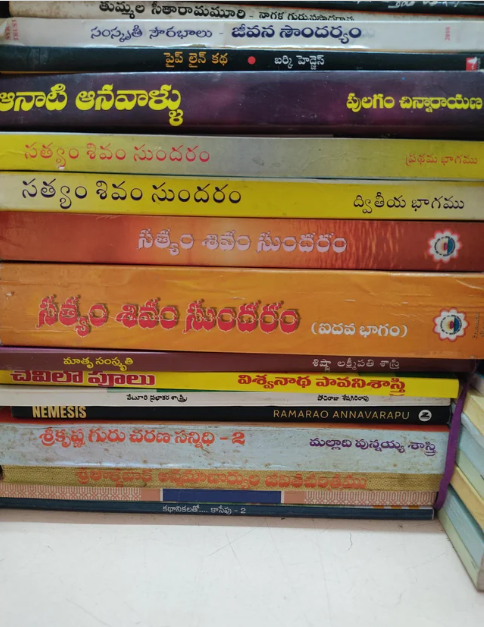
“My mother tongue is Telugu. ‘Among the languages of the country, Telugu is the best.’ The Telugu language is melodious, beautiful, and sweeter than honey.
Niccolò de’ Conti, an Italian traveler and explorer, called Telugu the ‘Italian of the East.’ This is because, just as Italian words end in vowels (a, e, i, o, u), Telugu words also end in vowels. This further enhances the sweetness of my mother tongue.
Telugu is the language of the people in the regions of Andhra Pradesh and Telangana, though there are slight variations in pronunciation. Scholars, composers, actors, leaders, jurists, musicians, artists, and poets of the past elevated our Telugu wealth, honor, and literature to the highest level.
Our eighteen Puranas, literary texts, the Ramayana, the Mahabharata, and the Devi Bhagavatam—so many linguistic gems—have slowly faded into the shadows.
Gradually, the Telugu language began following Western attitudes. The sweetness of our language, our culture, and our values have all taken a new turn with changing times.
If we compare today’s Telugu with the language of the past, the melody, delicacy, majesty, refinement, beauty, and culture have all changed. Many shifts have taken place. New water has washed away the old.
We must have respect, affection, joy, desire, and devotion toward our mother tongue and preserve its sweetness for future generations.
“నా మాతృభాష తెలుగు. ‘దేశ భాషలందు తెలుగు లెస్స’. సుమధురము, సుందరము, తేనె కంటే తీయనిది తెలుగు భాష.
ఒక ఇటాలియన్ యాత్రికుడు మరియు అన్వేషకుడు నికోలో కాంటీ, తెలుగు భాషను ‘Italian of the East’ అని అభివర్ణించాడు. ఎందుకంటే ఇటాలియన్ పదాలన్నీ అచ్చులతో (a, e, i, o, u) అంతమవుతాయి. తెలుగులో కూడా అదే విధంగా ఉంటుంది. ఇది నా మాతృభాష తీయదనాన్ని మరింత పెంచుతుంది.
ఆంధ్రప్రదేశ్ మరియు తెలంగాణ ప్రాంతాల్లో తెలుగు ఆ ప్రాంతీయుల భాష. అయితే ఉచ్చారణలో కొంత వ్యత్యాసం ఉంటుంది. నాటి తెలుగు పండితులు, వాగ్గేయకారులు, నటులు, నాయకులు, న్యాయవేత్తలు, సంగీతజ్ఞులు, కళాసంపన్నులు, కవులు మన తెలుగు సంపదను, గౌరవాన్ని, వాఙ్మయాన్ని ఎంతో ఉన్నత స్థాయికి చేర్చారు.
మన అష్టాదశ పురాణాలు, సాహిత్య గ్రంథాలు, రామాయణం, మహాభారతం, దేవీ భాగవతం వంటి ఎన్నో భాషా రత్నాలు క్రమంగా మరుగున పడిపోయాయి.
నాటి తెలుగు భాష క్రమక్రమంగా పాశ్చాత్య వైఖరిని అనుసరించడం వల్ల మన భాష తీయదనం, మన సంస్కృతి, మన సంస్కారాలు అన్నీ ఒక కొత్త మలుపు, మార్పుకు అనుగుణంగా మారాయి.
నేటి తెలుగును నాటి తెలుగు భాషతో పోల్చి చూస్తే ఆ మధురిమ, సున్నితత్వం, రాజసం, సౌందర్యం, సంస్కారం అన్నీ మారిపోయాయి. ఎన్నో మార్పులు చోటు చేసుకున్నాయి. “కొత్త నీరు పాత నీరును కొట్టేసింది” అన్నట్టు పరిస్థితి మారింది.
మన భాషపై మనకు గౌరవం, అభిమానం, ఆనందం, అభిలాష మరియు భక్తి ఉండాలి. అప్పుడు మాత్రమే మన మాతృభాష యొక్క మాధుర్యం తరతరాలకు నిలిచి ఉంటుంది.
— Shakuntala Kanakagiri | శకుంతల కనకగిరి
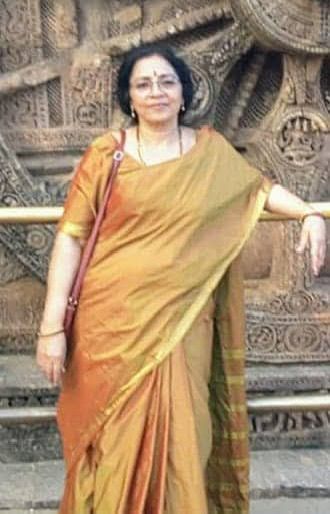
About the Author:
Shakuntala Kanakagiri is a postgraduate in Sociology (MA), with additional degrees in Home Science (BSc) and Education (BEd). She has served as a teacher and a part-time lecturer, contributing meaningfully to the field of education.
A passionate writer, she is the author of two volumes of Telugu devotional songs—Kuntala Manasa Ramam and Kuntala Manasa Vani. Her literary voice extends across numerous English blogging platforms, including Let’s Make Stories, Asian Literary Society, Poetry Planet, Chrysanthemum Chronicles, Poetry Parlour, Story Mirror, Story Scrapers, My Words: A Renaissance, Pen Wonders International, and Passion of Poetry.
Her work has earned recognition through several contest wins, and her writings have been featured in both national and international anthologies.
Beyond writing, Shakuntala holds a deep passion for classical music, especially Hindustani and Carnatic traditions. She has actively participated in various cultural events and strongly resonates with the belief:
“Where words fail, music speaks.”