Words are an indispensable part of any language and its literature. From the time we learn to speak, words become our world. All our thoughts and ideas are intricately woven into an amazing web of words.
My blog—rather, the choice of this topic—bloomed from this seed of thought: how do I present my ideas? Should I keep it simple, or use flamboyant vocabulary?
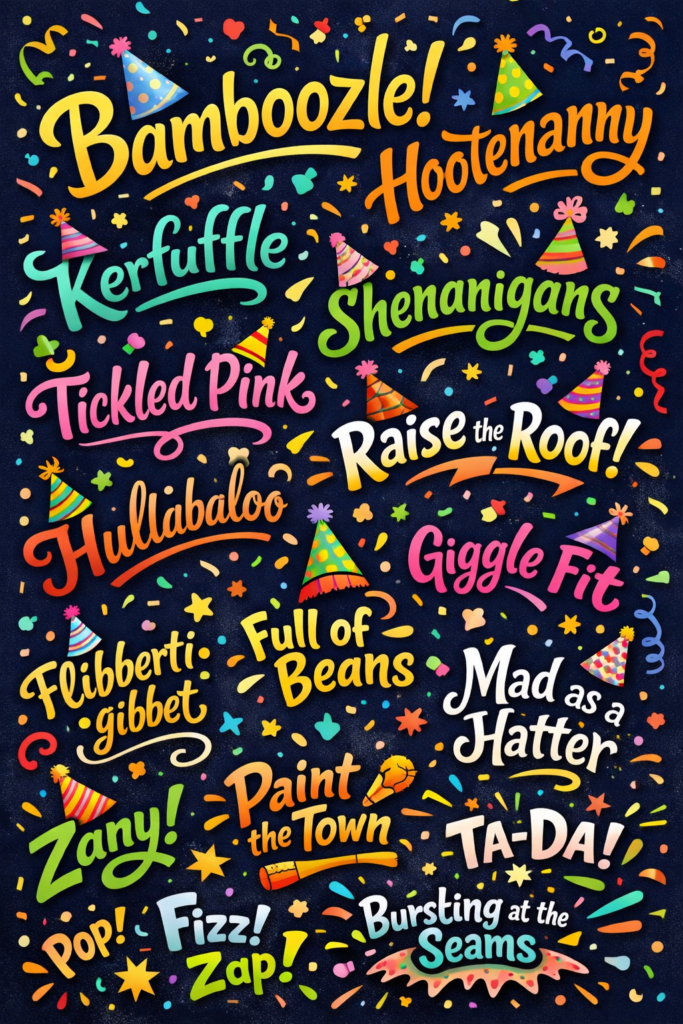
Somewhere down the line, it becomes important to think about how and when we should dress up our vocabulary. Is it necessary, or merely fashionable, to allow words like bamboozle, whimsy, hullabaloo, zany, etc., into our literary realm?
Then it dawned on me that many individuals may be caught in this dilemma. Should words don a casual outfit, perfect for everyday use, or should they look ready to slay in stunning outfits and party hats? Well, we are the best judges. If we are able to convey our thoughts, ideas, or opinions without sparking virulent controversy, satirical hilarity, or obvious confusion, we are worthy “wordsmiths.”
One must be conscientious about allowing words to get into the party mood. They catch the reader’s attention and make him or her waltz to their tunes, but often tend to forget their character. Nouns get tipsy on the dance floor with adjectives holding the train. Verbs blink like party lights. Literary devices like metaphors and imagery make merry and suffer a hangover. Grammar and punctuation refuse to go along and slink away from the party.
Words, simple and straightforward, waste no time in conveying the requisite information. When dressed up, they tease and woo the readers and/or listeners into their intoxicating web until their meaning finally dawns upon them.
A real-life incident will best illustrate this.
Once, I met a friend at a café in Chennai. She was on vacation from the US. In the middle of our conversation, I inadvertently pointed out, “Jenny, this isn’t the best time to be here. It is wet and gloomy, making it difficult to travel anywhere.”
She laid her pent-up frustration on the table with eagerness. “Oh dear! Don’t you ask. Just last week, I was out for a walk on the beach. Suddenly, the ghostly trees sashayed violently. The waves rose in their throes of passion. The weak sands wriggled painfully from their grip…”
Her emotive descriptions mesmerized not only me but also the guests seated close by. I realized later that she was describing the cyclone that had hit Chennai a week before. The more I listened to her, the more I couldn’t help thinking about how the news channels had laid the facts bare before the nation.
And that made all the difference!
As indicated before, it isn’t imperative to let words party too often. They can don spunky clothes and party hats as long as:
- They don’t lose their identity, dignity, and decorum.
- The boss (writer) and the clientele (reader) are fans of imagination, curiosity, creativity, and emotion rather than plain information.
- They add spice and sparkle to the party and don’t collapse the whole setup.
But believe me, words will shine if they are creative and play their cards well. They bring back the love for reading and writing. They spur ideas, dreams, guesses, and even a sense of rhythm. Most of us fall in love with literature this way. Hence, we should trust them to try their tricks sometimes.
Yes, trust works well in our choice of words. If we trust them to rock the show and bring us accolades, let them loose without thinking too much. Otherwise, we must look over them time and again before they are released to catch someone’s attention.
Fiction, poetry, blogs, and personal journals turn much merrier with such words. Just invite them in, put on the ridiculous party hats, and watch the magic spill over.
If this reflection on words and their playful moods resonated with you, share your thoughts in the comments below and let the conversation continue.
– Srividya Subramanian
About the Writer
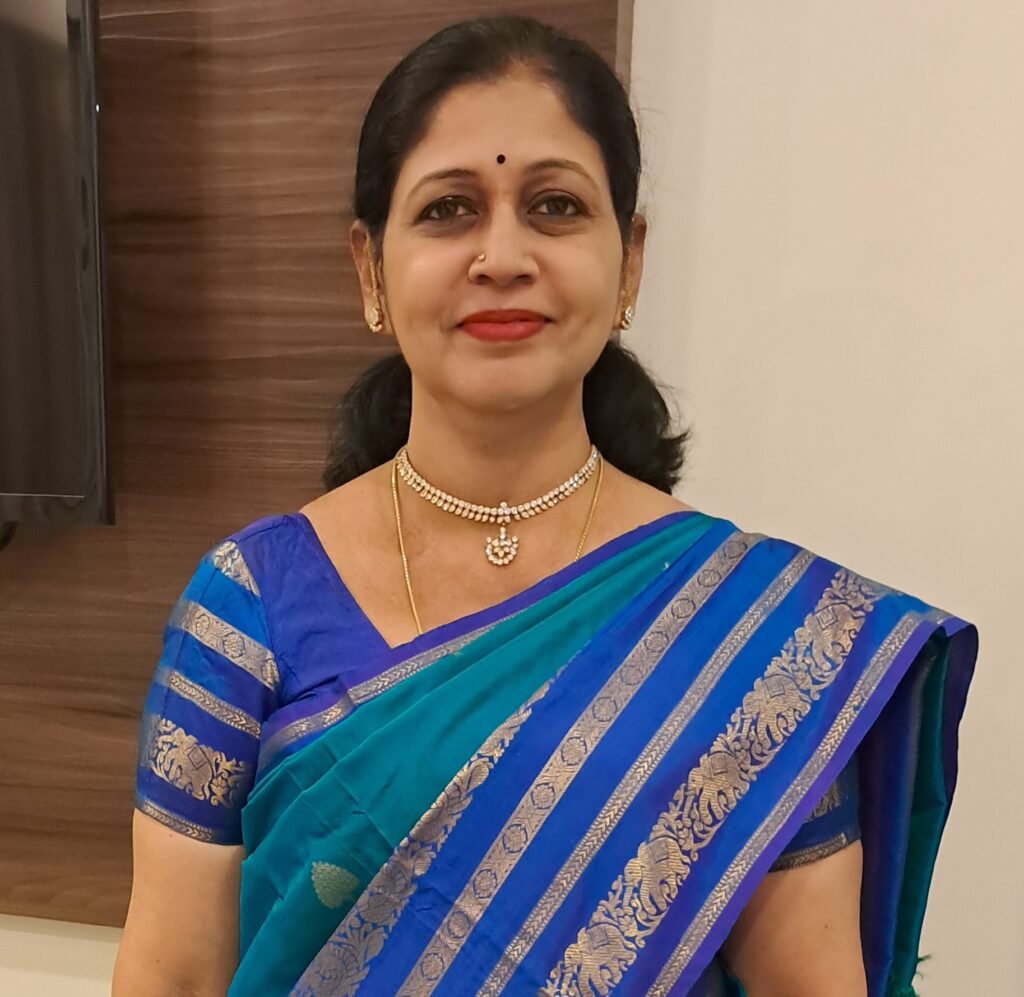
Srividya Subramanian is a teacher by profession and a writer by passion. She actively contributes to writing contests and literary forums such as Penmancy, ArtoonsInn, and StoryScrapers. She is the author of two poetry books, and her creative works are also featured on her website, www.srividyascribbles.com.
Her writing has earned her several awards and recognitions, including the Kala Literature Award 2025 for Best Debut in Poetry. Srividya currently resides in Chennai.