
Sometimes there are days when words are barefoot—silent, tentative, almost shy to be counted. And then there are days when words are clothed in colours, with party hats on, with laughter in the syllables, with confetti in pauses. Today, I would like to write about the days when words are celebrating.
As an educator and a writer, I can only assert that words are more than instruments of communication—words are living, breathing companions. In an educational setting, words quiver on tentative tongues, hesitating, blushing to make an appearance, only to disappear into thin air. But on other days—on days of extracurriculars like school assemblies, debates, goodbyes in speeches, and hasty confessions written on the last page of a notebook—words do not walk. They twirl.
When words wear party hats, they forget their fear of grammar and opinion. They laugh louder than commas permit. They tumble from overflowing hearts that have been harbouring too many secrets. The first time a child raises a hand in class, the first recitation by a quivering voice in a classroom full of faces that stare like statues, the last goodbye scrawled secretly on a note slipped into a backpack after the final bell rings—all are occasions for which words toast the strength that matters. They may be imperfect, but they are authentic. And authenticity is the greatest celebration.
Yet, not all words arrive with the embrace of happiness. Some words come sharp, lifted high, quivering with rage. Some words arrive yelling rather than being uttered. Some words wound before they leave their speakers. And paradoxically, these words too carry their own lesson. Even when they shout at us or express their rage, they unknowingly teach us how to release them. Not all words have a home in our hearts. Some words simply have to pass through—heard, acknowledged, and released.
As poets, our words don’t need to be dressed up; they arrive decked with metaphors, adorned with rhythm, and ready to be felt, not analysed. A poem isn’t something that’s written; it’s something that’s hosted. You set the table and light a little candle of intention, then sit back and let it happen. The words decide what they want to be. Some come dressed as grief, some as hope, and some simply come to dance. They remind us that language is meant to be embraced, not dissected.
I think of my students often while I write. Their stories, their laughter, their silences—each has taught me that words have healing properties when given permission to celebrate vulnerability. There was a day when a student told me, “Ma’am, I did not know that I had feelings with names until I wrote them down.” That sentence wore the brightest party hat of all.
Angry words, too, hold truth—not always about us, but about the tempest in the speaker’s heart. Learning to let that tempest remain in the past is a victory in itself. To let go is not weakness, but wisdom. It is choosing peace over echo, silence over reaction, and self-respect over hurt.
Celebration doesn’t always require noise. Sometimes, words in party hats speak in hushed tones. When a mother sings a lullaby, a father slips a note into a diary, or a teacher writes “I believe in you” on a school assignment, they throw quiet parties. The balloons are invisible, but the joy is real. These words last longer than applause. They are tucked into pockets and retrieved on difficult days.
In a world that demands efficiency and economy, we rush our words. Meanings spill out, stripped of emotion, expected to perform, inform, persuade. But when we let words celebrate—to be sweet, excessive, emotional—we reclaim a piece of our humanity. We remember that words were born not in offices or on screens, but around firelight, stories, songs, and silences.
Writing, as I see it, is a way of celebrating survival. Each sentence marks something lived deeply. Words in party costumes are an homage to enduring. They celebrate small victories: showing up again, loving again, trusting again, letting go.
So let us allow our words to celebrate often. Let them dress up for no reason. Let them laugh, cry, stumble, and sing. And when angry words arrive, let us thank them for the lesson and release them.
Because when words borrow party hats, they no longer merely entertain.
They heal us.
They keep us.
And sometimes, gently, they teach us how to let go.
Image Courtesy: https://www.pexels.com/@leeloothefirst/
If these words found a quiet celebration in your heart, share your thoughts below and tell me which word wore a party hat for you today.
– Sujata Maggoo
About the Writer
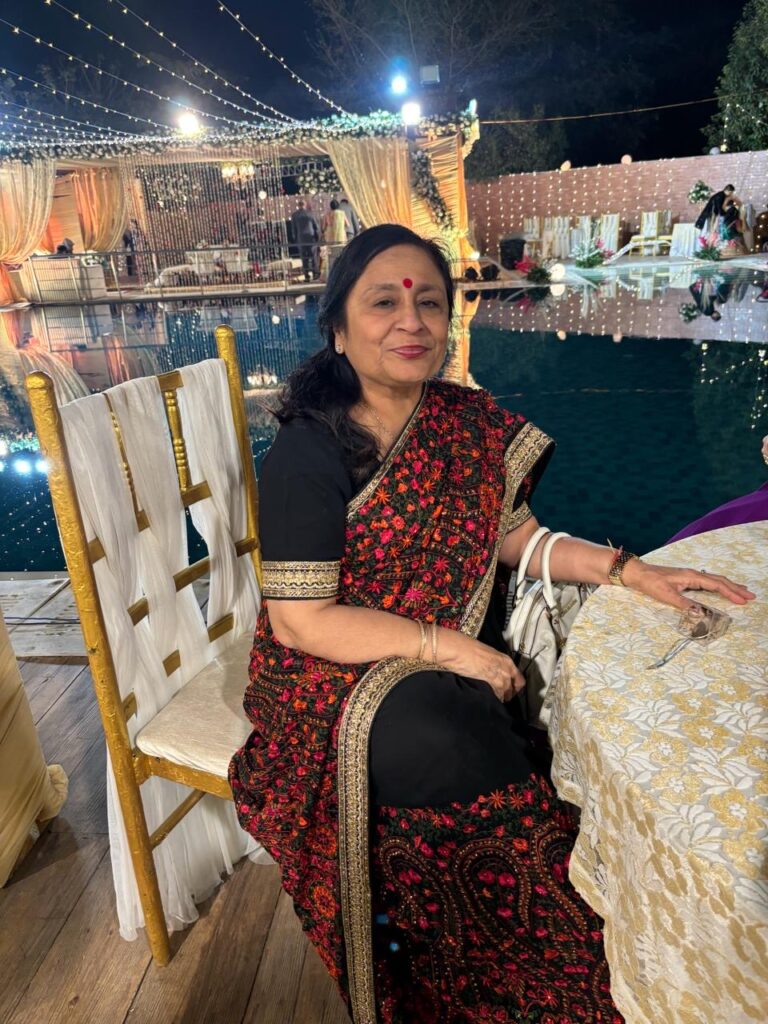
Sujata Maggoo is a poet, writer, and educator whose work weaves emotion, reflection, and human connection. She is the author of Seasons of the Soul, जज़्बातों के रंग, and Unlock Your Brilliance, and a co-author in numerous national and international anthologies. Her writing spans poetry, short fiction, and reflective non-fiction, often drawing inspiration from her experiences in the classroom and her quiet observations of everyday life.
With contributions to Occult Magazine and several literary platforms, Sujata continues to explore the transformative power of storytelling while nurturing young minds through education.