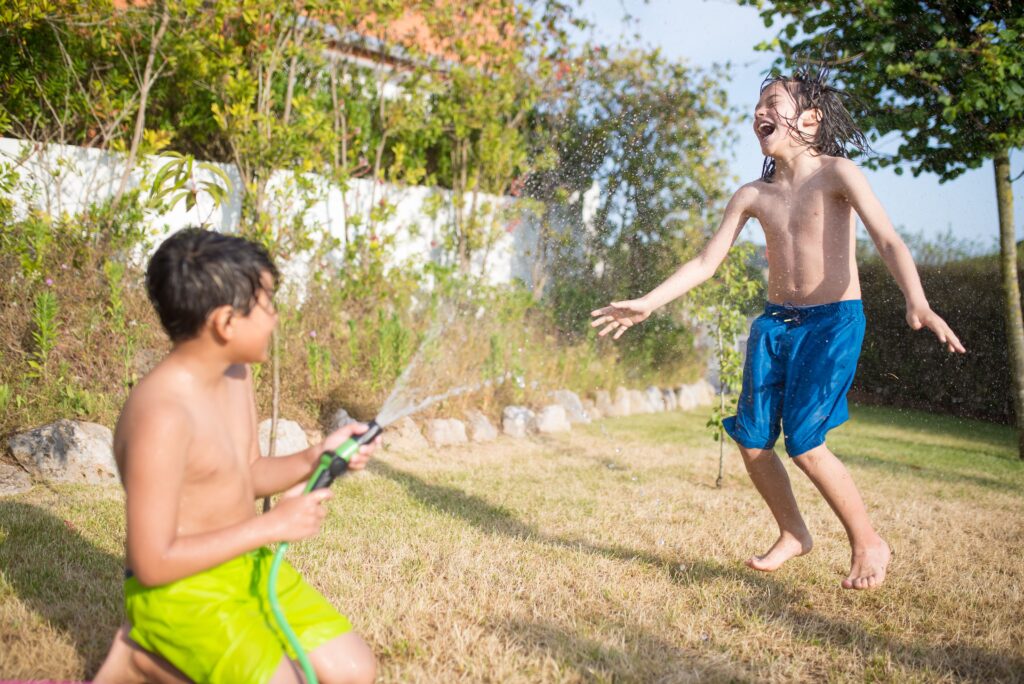
Then: The Summer That Belonged to Us
There was a time when summer vacation was not an event you planned. It simply arrived—like a generous relative who showed up unannounced and stayed for two glorious months.
I remember the exact feeling of the last day of school before summer. The bell rang differently that day. Or perhaps we heard it differently—the way everything sounds better when freedom is on the other side of it.
Within hours, the school bag was abandoned in a corner. It would not be touched again for weeks. Nobody thought about it. Nobody needed to.
Summer then was a country with its own rules. The first rule was that there were no rules. Wake up when you wanted. Eat when hungry. Sleep when tired. The body was trusted to know what it needed—and it did.
We spilled out of our homes like water finding its level. The street was our living room. The neighborhood was our world. Games were invented on the spot—cricket with a tennis ball and a makeshift wicket, hide and seek in the blue dusk, marbles in the dust. Nobody organized these activities. They simply happened because children were present and imagination was free.
Grandparents played a central role in the summers of my generation. Many of us were sent to grandparents’ homes—and this was not a punishment but a privilege. There, time moved differently. Stories were told. Old photographs were explained. Family history was passed down not in documents, but in conversations over evening meals and long afternoons on the verandah.
The mango was the unofficial mascot of the Indian summer. Raw mangoes plucked too early, eaten with salt and red chili. Ripe mangoes in every form—sliced, sucked, blended into aamras. Summer and mangoes were inseparable, like childhood and innocence.
We read, but not because anyone told us to. We read because books were the only portal to other worlds available to us. Libraries were visited. Comics were traded. Stories were discussed with the same passion that today’s children discuss YouTube channels.
The heat was real—and we felt it fully. No air-conditioned bubbles. Coolers hummed in corners. Wet curtains filtered the hot afternoon breeze. We slept on rooftops under vast, star-filled skies and called it the best sleep of the year.
Now: The Summer That Must Be Scheduled
Something fundamental has shifted in the summers of today’s children.
The vacation still exists on the calendar, but the experience has been transformed beyond recognition.
Today’s summer begins with planning. Activity camps, swimming lessons, coding workshops, art classes, music tutorials—the calendar fills within days of school closing. The logic, offered with genuine parental love, is: we don’t want them wasting time.
But here is the counselor in me asking a quiet question: What if boredom was never a problem to be solved?
Research in child psychology consistently shows that unstructured time—what we dismissively call “doing nothing”—is essential for healthy development. It is during boredom that children develop creativity, self-regulation and the ability to entertain themselves. It is in the unplanned afternoon that imagination finds room to grow.
When every hour is scheduled, children learn to consume experiences but not to create them. They become excellent participants but uncertain initiators.
Screens have also changed everything. Today’s child on summer vacation lives partly in a digital world—YouTube, gaming, social media and streaming. These are not inherently harmful, but they create a fundamentally different relationship with time. Screens provide constant stimulation, making the quiet of an unoccupied afternoon feel unbearable rather than inviting.
Family connections during summer have also changed. Nuclear families, working parents and smaller homes mean the extended-family summers of previous generations are now largely memories. Few children today are sent to grandparents for weeks. The transfer of oral family history, stories, values and identity that once happened naturally across generations during those long summer visits has quietly faded away.
What We Can Reclaim
I am not suggesting we return to the past. The world has genuinely changed, and many changes are welcome. But I believe we can be more intentional about preserving some of what made summers feel like summers.
Leave two weeks deliberately unscheduled. Let boredom arrive and stay long enough to become something else—curiosity, creativity, connection.
Limit screens to specific hours. Let the remaining time fill itself naturally.
Visit the grandparents. Even once. Even briefly. Let the stories be told.
Go outside in the heat. Let the body remember what weather feels like.
Read a book that nobody assigned.
The summers we remember most warmly were not the ones most perfectly planned. They were the ones most freely lived.
Perhaps that is the lesson summer has always been trying to teach us—that some of the most important things in life cannot be scheduled.
They can only be allowed.
Image Courtesy:
If this piece brought back a forgotten summer memory, share it in the comments—because some seasons never truly leave us.
– Anil Dhawan RFS (~ Rhythm for the Soul)
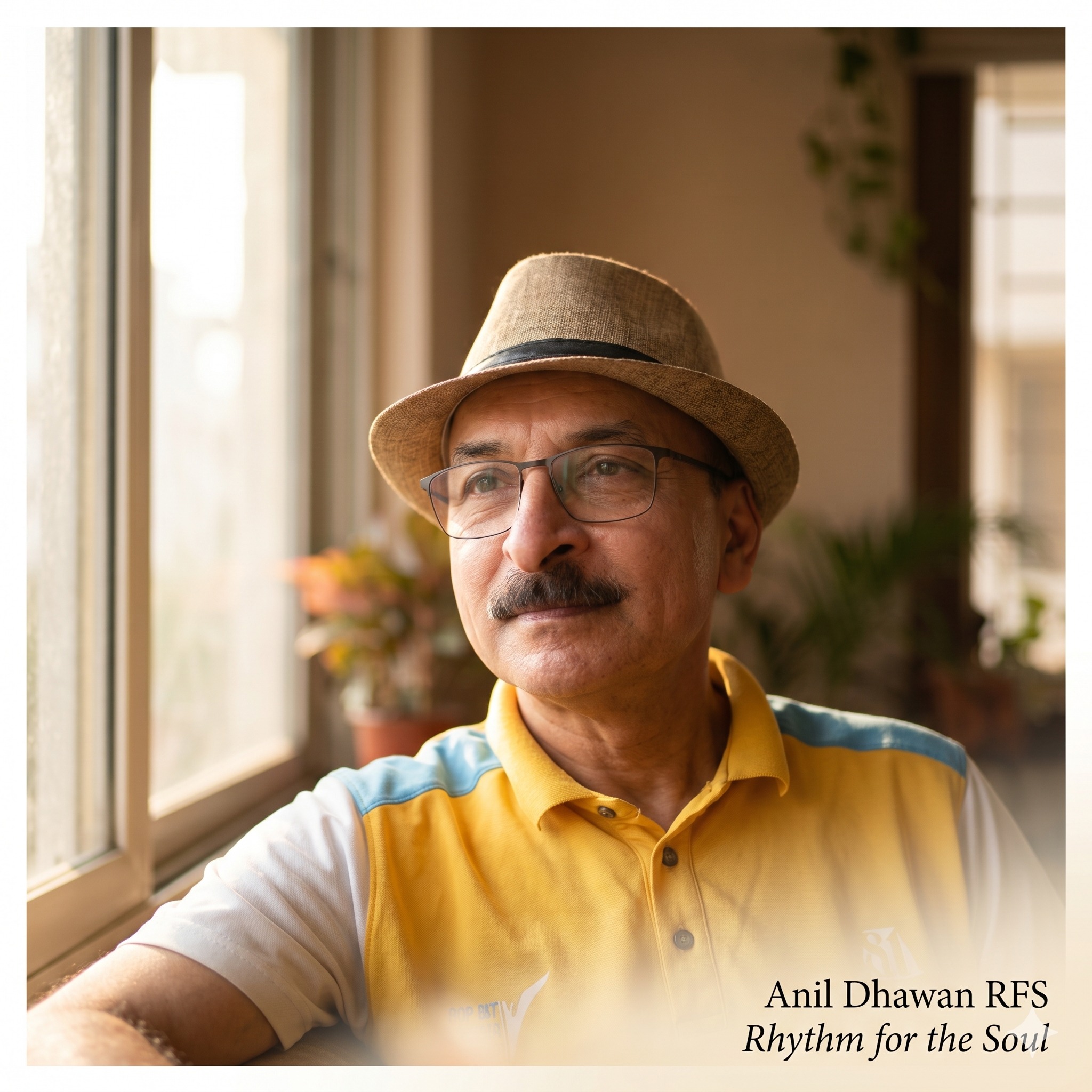
About the Writer:
Anil Dhawan RFS is an acclaimed poet, songwriter, blogger, and life counselor whose multidisciplinary work explores the intricate landscapes of human emotion, mindfulness, and inner transformation. As the visionary creative force behind Rhythm for the Soul (RFS Music), he has cultivated a sprawling digital sanctuary dedicated to the intersection of deep philosophical introspection and sonic artistry. Balancing his work as a counselor with his passion for the written word, he creates thought-provoking compositions designed to offer emotional support and profound existential reflection to a fast-paced modern world. His unique pen name carries a intentional dual significance: representing the inherent musicality of verse capable of healing the human spirit, while also anchoring his abstract poetic reflections into functional, real-world wisdom that readers can apply to navigate everyday psychological challenges.
Throughout his career, he has earned widespread recognition within global literary circles, accumulating a distinguished portfolio of international creative writing honors including multiple Poet of the Day accolades, Top 1 Spotlight distinctions, and Double Platinum honors. His widely discussed concepts—such as “The Art of Enough” and “What Silence Holds”—delve deeply into themes of intentional presence, stripping away societal noise to explore the hidden support systems found within quiet observation. In addition to his extensive catalog of human-authored written poems and micro-blogs, he actively bridges the gap between traditional literature and modern multimedia. By using advanced AI synthesis tools as a production collaborator to score and translate his original verses into fully produced musical arrangements, he blends raw human experience with pioneering digital tools to promote a shared, compassionate humanity across the globe.