Health is one of those things people often take for granted until something goes wrong. In the rush of daily life, many individuals focus so much on work, studies, responsibilities and social expectations that they forget to care for the one thing that supports everything else—their body and mind. Good health is not only about avoiding illness. It is about feeling physically strong, mentally peaceful and emotionally balanced. And surprisingly, some of the simplest habits play the biggest role in maintaining it.
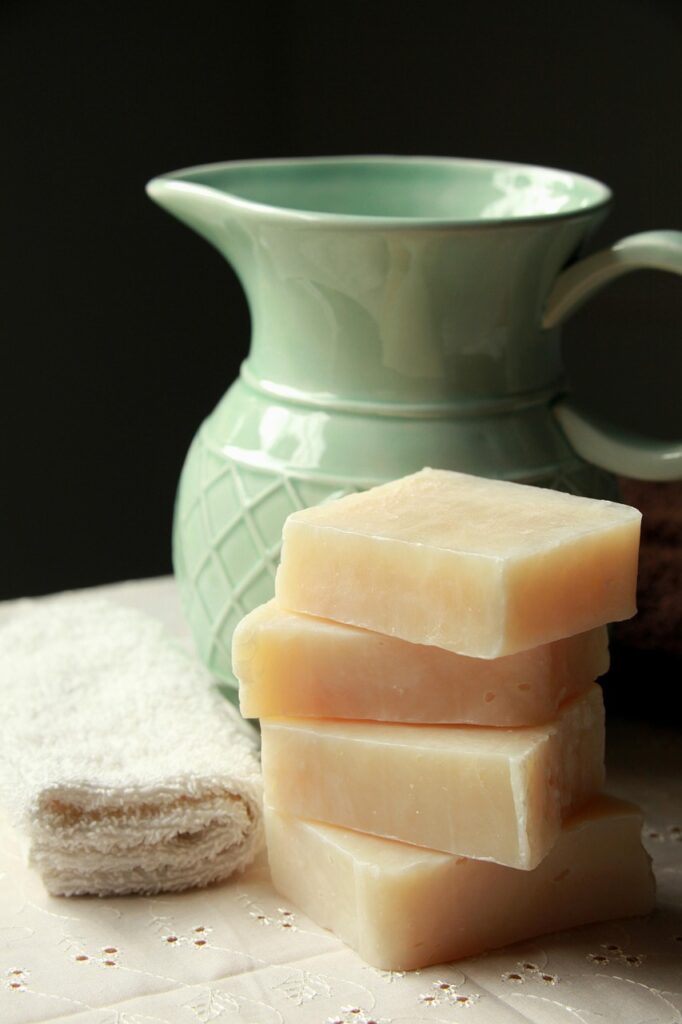
Hygiene, though basic, is deeply connected to overall health. Since childhood, people are taught to wash their hands, bathe regularly, wear clean clothes and maintain cleanliness around them. Yet hygiene is far more than a routine taught in schools or homes. It is a form of self-respect and care. Clean surroundings, safe food, proper sanitation and personal cleanliness protect people from countless diseases and infections. The lessons learned during the pandemic reminded the world how powerful simple habits like handwashing and cleanliness truly are.
Unfortunately, awareness about health and hygiene is still lacking in many places. In some communities, people continue to suffer not because treatment is unavailable, but because they do not have enough information. Myths, hesitation and social stigma often prevent important conversations from happening openly. This becomes especially visible when topics related to women’s health are discussed.
Menstrual hygiene, despite being a natural part of life, is still considered uncomfortable or shameful in many societies. For years, countless girls grew up being told to stay silent about their periods. Many were made to feel embarrassed about something completely normal. Even today, in several homes and schools, menstruation is spoken about in whispers, as though it is something to hide rather than understand.
The reality is that lack of menstrual hygiene awareness affects not only physical health but also confidence, education and emotional well-being. There are still young girls who miss school during their periods because they do not have access to sanitary products or proper facilities. Some use unsafe alternatives due to financial limitations or lack of knowledge, which can lead to serious infections and health complications. What makes this more painful is that many of these struggles continue simply because society hesitates to speak openly.
Awareness changes lives. A simple conversation can remove years of fear and confusion from a young girl’s mind. When mothers educate daughters without shame, when schools conduct health awareness programmes and when society treats menstruation as a normal biological process rather than a taboo, change slowly begins to happen. Girls start feeling more confident, informed and comfortable in their own bodies.
At the same time, menstrual hygiene is not only a women’s issue. Awareness must include everyone—fathers, brothers, teachers and communities. Silence creates ignorance, while education creates understanding. When boys grow up learning about menstruation respectfully, they become more supportive and empathetic individuals rather than treating the subject as a joke or embarrassment.
Health awareness also extends beyond physical hygiene. Mental health is equally important, yet many people continue to ignore emotional struggles because they fear judgment. People are often expected to appear strong all the time, even when they are silently exhausted. Stress, anxiety and emotional burnout have become common realities in modern life. Just as people visit doctors for physical illness, there should be no shame in seeking help for mental and emotional well-being.
Social media has created another interesting challenge regarding health awareness. On one hand, information is more accessible than ever before. On the other hand, misinformation spreads quickly too. Many people follow random health trends, diets or remedies without understanding whether they are safe or suitable. Real awareness comes not from blindly following trends, but from learning responsibly and making informed choices.
Clean habits, balanced meals, proper sleep, hydration, exercise and emotional care may sound simple, yet they are often ignored in busy lifestyles. Modern life encourages productivity, but true productivity is impossible without good health. A person constantly neglecting their well-being eventually pays the price physically or emotionally.
What is beautiful, however, is that awareness is gradually increasing. Conversations around menstrual hygiene, mental health and personal well-being are becoming more open than before. Schools, campaigns, doctors and even social media creators are helping break old taboos. More people now understand that health is not a luxury—it is a necessity.
Still, awareness alone is not enough if it does not lead to action. Real change begins when people apply these lessons in daily life. It begins when families teach children healthy habits early, when schools create safe spaces for discussion, when communities ensure proper sanitation and when individuals learn to prioritise their own well-being without guilt.
Health and hygiene may seem like ordinary topics, but they shape the quality of human life in extraordinary ways. A healthy society is built not only through hospitals and medicines, but through awareness, empathy and responsible habits. Sometimes, the smallest acts of care—washing hands, eating properly, resting well or speaking kindly about sensitive topics—create the biggest impact.
In the end, awareness is not merely about gaining information. It is about creating a world where people feel safe, respected, informed and cared for.
Image Courtesy: https://pixabay.com/users/indigobunting-31264531/
If this article inspires you to become more mindful about health and awareness, do share your thoughts in the comments below.
– Dr Arwa Saifi

About the Writer
Dr. Arwa Saifi is an acclaimed Career Writer with over 18 years of experience in the literary and education space. Honoured with an Honorary Doctorate in Literature, she is also an Amazon #1 Bestselling Author. Her career includes contributions to Education Times, a supplement of The Times of India, where she brought her expertise to one of the country’s leading newspapers.
Dr. Saifi has served as the editor of several prestigious school and college magazines in Mumbai, shaping young voices and nurturing a culture of expression. She is the author of 10 published books and has collaborated as a co-author in more than 40 anthologies. Her work reflects a deep commitment to storytelling, education, and empowering aspiring writers.