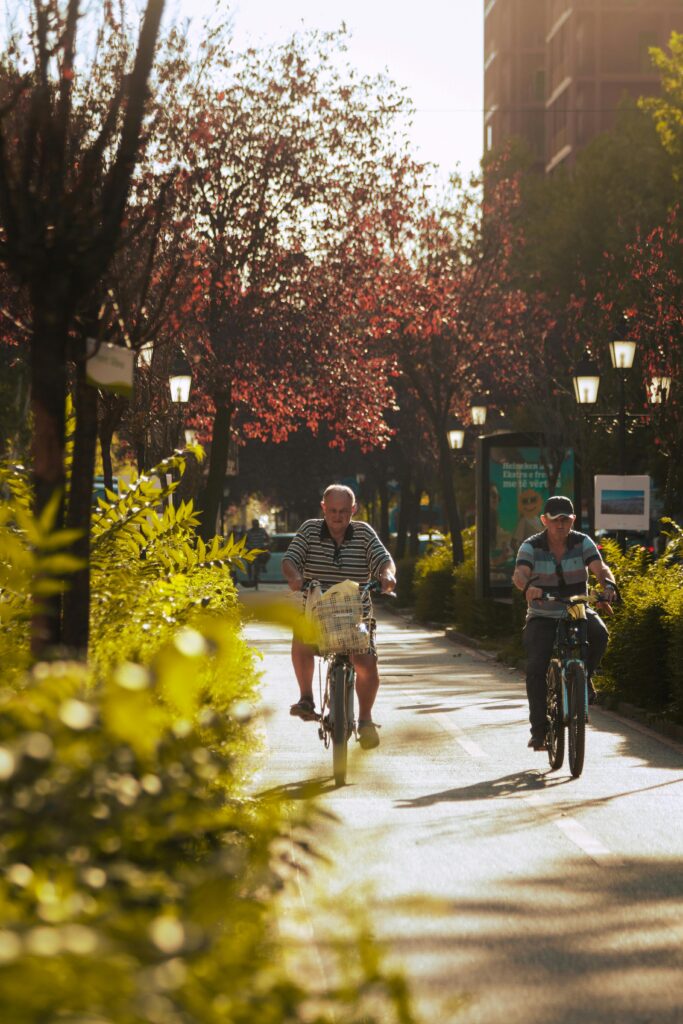
Every year on 3rd June, World Bicycle Day reminds us of something remarkably simple yet incredibly powerful – the bicycle. In an age of fast cars, crowded roads, and rapidly advancing technology, the humble bicycle may seem old-fashioned to some. Yet, it remains one of the most efficient, affordable and environmentally friendly modes of transport ever created. The theme for World Bicycle Day 2026, “Cycling for a Greener Future,” highlights how a simple choice can contribute towards a healthier planet and a better quality of life.
For many people, a bicycle is often associated with childhood memories. It may remind them of learning to balance for the first time, racing friends through neighbourhood streets or enjoying carefree rides during summer holidays. Those moments were not merely about cycling; they represented freedom, adventure and joy. As people grow older, however, bicycles often get replaced by motorcycles, cars and other forms of transport. In the pursuit of convenience, many forget the value of something so simple.
Today, cities across the world are facing serious environmental challenges. Air pollution has become a growing concern, traffic congestion consumes countless hours and carbon emissions continue to contribute to climate change. Every day, millions of vehicles release harmful gases into the atmosphere. The result is visible in polluted skies, rising temperatures and increasing health problems. While solving these issues requires large-scale action, individual choices can also make a meaningful difference.
This is where cycling becomes important. Unlike motorised vehicles, bicycles produce no emissions. Every journey completed on a bicycle instead of a car helps reduce the amount of pollution released into the environment. One bicycle may seem insignificant in the larger picture, but when thousands or even millions of people make the same choice, the impact becomes substantial. Cleaner air, reduced fuel consumption, and lower carbon emissions are all direct benefits of increased cycling.
Beyond its environmental advantages, cycling offers tremendous health benefits. Modern lifestyles often involve long hours of sitting, whether at desks, in classrooms or in front of screens. Physical activity has gradually decreased, leading to various health concerns such as obesity, diabetes, and heart disease. Cycling provides an easy and enjoyable way to stay active. It strengthens muscles, improves cardiovascular health, enhances stamina and contributes to overall well-being.
Perhaps one of the most appealing aspects of cycling is that it does not feel like exercise in the traditional sense. A bicycle ride through a park, along a quiet road or around a neighbourhood can be both refreshing and enjoyable. It allows people to disconnect from stress, breathe fresh air, and reconnect with their surroundings. In a world where many individuals constantly feel rushed, cycling encourages a slower and more mindful pace of life.
Traffic congestion is another challenge that affects urban areas worldwide. Anyone who has spent hours stuck in traffic understands the frustration it brings. Roads become crowded, travel times increase and stress levels rise. Bicycles require far less space than cars and can help reduce pressure on already overloaded transport systems. Cities that invest in cycling infrastructure often experience smoother traffic flow and improved mobility for residents.
Cycling is also one of the most inclusive forms of transport. It is accessible to people from different economic backgrounds and requires significantly lower maintenance costs compared to motor vehicles. For many families, bicycles provide affordable mobility while reducing transportation expenses. In many parts of the world, they continue to be a lifeline for students, workers, and communities.
The growing popularity of cycling in recent years reflects a positive shift in public awareness. More people are recognising the importance of sustainable living and seeking ways to reduce their environmental footprint. Cycling aligns perfectly with this goal because it combines environmental responsibility with personal health benefits. It is a rare solution that benefits both individuals and society as a whole.
However, promoting cycling requires more than individual enthusiasm. Communities and governments also have important roles to play. Safe cycling lanes, secure parking facilities and awareness campaigns can encourage more people to choose bicycles for daily travel. When cities become more cyclist-friendly, people feel more confident about leaving their cars behind for shorter journeys.
The theme “Cycling for a Greener Future” is ultimately about recognising that meaningful change often begins with simple actions. Not everyone can immediately transform global environmental policies or solve climate change, but everyone can make small choices that contribute to a better future. Choosing a bicycle for a short trip, encouraging children to cycle safely or participating in community cycling events may seem like minor actions, yet collectively they create lasting impact.
As the world searches for sustainable solutions to environmental challenges, the bicycle stands as a timeless reminder that progress does not always require complexity. Sometimes, one of the oldest inventions can still offer one of the smartest answers.
A greener future will not be built through grand promises alone. It will be built through everyday decisions made by ordinary people. Cycling is one such decision – simple, practical and powerful. Every pedal forward is a step towards cleaner air, healthier communities and a more sustainable world.
Author’s Note:
World Bicycle Day serves as a reminder that positive change often begins with small, conscious choices. The bicycle is much more than a means of transport; it symbolises sustainability, health and responsibility. Through this blog, I hope to encourage readers to view cycling not merely as an activity from childhood, but as a meaningful contribution towards a greener and healthier future for all.
Image Courtesy: https://www.pexels.com/@sabinakallari/
What role can a bicycle play in your journey for a greener future? Share your thoughts and cycling experiences in the comments below.
– Dr Arwa Saifi

About the Writer
Dr. Arwa Saifi is an acclaimed Career Writer with over 18 years of experience in the literary and education space. Honoured with an Honorary Doctorate in Literature, she is also an Amazon #1 Bestselling Author. Her career includes contributions to Education Times, a supplement of The Times of India, where she brought her expertise to one of the country’s leading newspapers.
Dr. Saifi has served as the editor of several prestigious school and college magazines in Mumbai, shaping young voices and nurturing a culture of expression. She is the author of 10 published books and has collaborated as a co-author in more than 40 anthologies. Her work reflects a deep commitment to storytelling, education, and empowering aspiring writers.