India is often described through numbers, achievements, and headlines. We celebrate economic growth, technological advancement, sporting victories, and global recognition. Yet beyond the spotlight exists another India—quieter, older, deeply human, and often overlooked. It is an India carried not by famous faces, but by ordinary people whose contributions rarely receive applause. This is the India that survives in narrow lanes, crowded railway stations, remote villages, and forgotten corners of bustling cities. It is the India of silent resilience, the India of unnoticed strength, the India that does not seek recognition, yet forms the very soul of the nation.
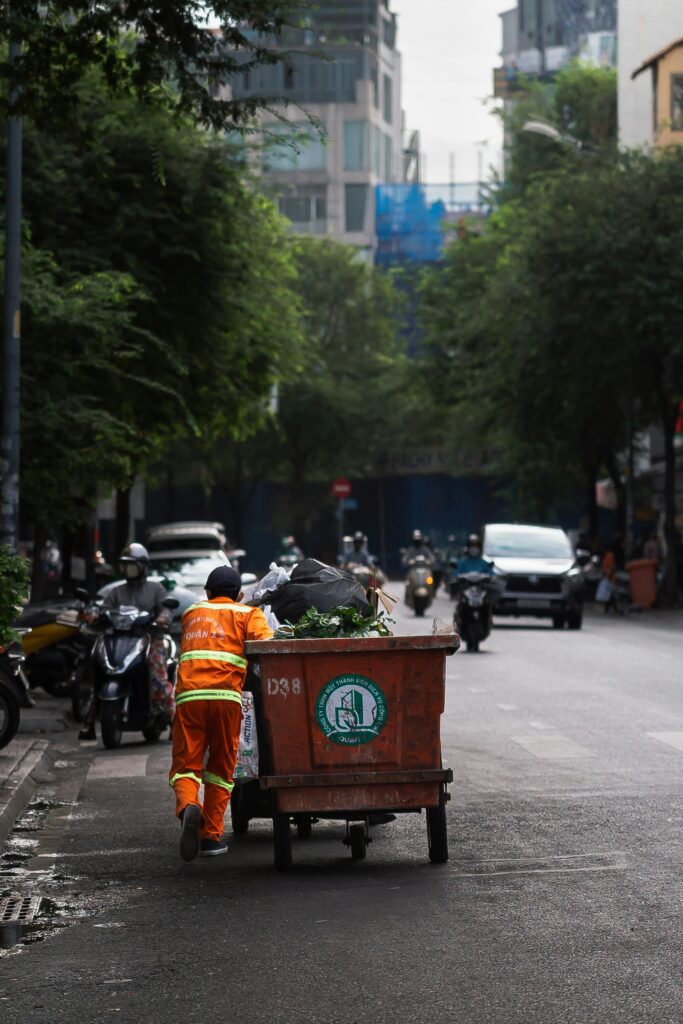
Every morning, before most cities awaken, countless people begin working so life can continue smoothly for everyone else. Sanitation workers clean roads still covered in darkness. Tea sellers prepare their first kettle of chai for exhausted travellers at railway platforms. Vegetable vendors arrange their carts carefully, hoping for enough earnings to support their families. Fishermen return from the sea before sunrise. Newspaper delivery boys cycle through silent streets while the world still sleeps. These people rarely appear in newspapers unless there is a tragedy attached to their story. Yet their labour keeps the country moving every single day.
In Mumbai, the dabbawalas continue to represent one of the most extraordinary examples of discipline and commitment. Without sophisticated technology, they deliver thousands of lunchboxes daily with astonishing accuracy. Many of them come from humble educational backgrounds, yet global institutions have studied their system for its efficiency. However, beyond the management theories lies something far more meaningful—trust. In a city constantly racing against time, the dabbawalas carry not merely food, but comfort from home. They remind people that even in chaos, human connection still matters.
Unsung India also lives within women whose names may never be known beyond their families and communities. In villages across Rajasthan and Gujarat, women continue preserving folk art, embroidery, and traditional rituals passed down through generations. Elderly women sit patiently for hours stitching mirrors, colours, and stories into fabric. These crafts are not simply decorative objects sold in markets; they are living pieces of history. Every thread carries memory, identity, and cultural inheritance. Yet many of these artisans struggle financially while machine-made products dominate modern markets.
There is also the quiet heroism of Indian mothers, perhaps one of the least acknowledged forces in society. Across cities and villages alike, countless women sacrifice personal dreams to keep families together. Some work in homes not their own before returning to cook for their children late at night. Some survive abandonment, financial hardship, or loneliness without ever speaking about it openly. Their strength rarely becomes visible because society often treats sacrifice as an expectation rather than an achievement. Yet generations are shaped by their endurance.
Teachers, especially in small towns and government schools, form another deeply important part of Unsung India. While discussions about education often focus on prestigious institutions, many dedicated teachers work far away from recognition. Some travel long distances through difficult conditions simply to reach classrooms. Some teach children who arrive hungry, exhausted, or burdened by poverty. A truly good teacher does more than explain lessons from textbooks. They notice fear hidden behind silence. They encourage students who have stopped believing in themselves. Sometimes, a single teacher becomes the reason a child dares to dream beyond their circumstances.
India’s artisans and craftsmen carry another fading but beautiful chapter of the nation’s identity. In narrow workshops and village homes, potters continue shaping clay exactly as their ancestors once did. Handloom weavers spend days creating sarees with extraordinary patience. Puppet makers, toy makers, idol sculptors, and folk musicians preserve traditions that modern life increasingly ignores. Many younger generations are abandoning these professions due to financial instability. Yet some continue, not because it guarantees success, but because they believe heritage should not disappear completely. Their work is proof that culture survives only when somebody chooses to protect it.
The COVID-19 pandemic revealed the reality of India’s invisible workforce more clearly than ever before. Migrant labourers walked hundreds of kilometres carrying children, bags, and unbearable exhaustion after cities suddenly shut down. These were the same workers who had built roads, buildings, and urban infrastructure. For a brief moment, the nation noticed them. People saw their suffering, their hunger, and their helplessness. But as normal life resumed, many of those stories faded from public memory once again. Unsung India is often remembered only during moments of crisis.
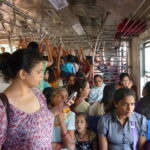
Railway stations, local markets, and roadside stalls perhaps capture the spirit of India better than luxury spaces ever can. At these places, humanity still exists in simple gestures. A chai seller offering extra tea to someone who cannot afford it. A stranger helping an elderly passenger board a train. A rickshaw driver returning lost belongings honestly despite personal hardship. These moments may appear small, but they reveal the moral heartbeat of the country. In a world increasingly driven by individualism, ordinary Indians still practise kindness in ways that rarely receive attention.
Unsung India is also present in traditions that continue quietly despite changing times. Evening prayers in old temples, the azaan echoing through crowded neighbourhoods, women drawing rangoli outside their homes during festivals, elderly storytellers narrating folk tales to children during power cuts—these moments may never trend online, yet they preserve emotional and cultural continuity in a rapidly transforming society.
Modern society often measures success through visibility. People are encouraged to seek followers, fame, and constant validation. Yet many of India’s most meaningful contributors remain invisible precisely because they are too busy working, surviving, and giving. They do not have public relations teams, verified accounts, or viral interviews. Their achievements are woven quietly into everyday life.
Perhaps that is what makes Unsung India so powerful. It teaches us that greatness is not always loud. Sometimes greatness looks like persistence. Sometimes it looks like honesty despite hardship. Sometimes it looks like continuing to create beauty in difficult circumstances. The real strength of India has never rested only in monuments, industries, or political speeches. It rests in ordinary people who continue carrying responsibility with dignity even when nobody notices.
India is not built only by those whose photographs appear on magazine covers. It is built by the hands that cook, teach, clean, stitch, repair, drive, farm, heal, and protect. It is built by people whose names history may never record, but whose efforts shape millions of lives every day.
Unsung India does not demand attention. It simply continues existing with resilience, humility, and quiet grace. And perhaps that is exactly why it deserves to be seen.
Image Courtesy: https://www.pexels.com/@thien-phuoc-phuong-250460081/
If this reflection on Unsung India touched you, leave your thoughts in the comments below—because every unseen story deserves to be heard. 🤍
– Dr Arwa Saifi

About the Writer
Dr. Arwa Saifi is an acclaimed Career Writer with over 18 years of experience in the literary and education space. Honoured with an Honorary Doctorate in Literature, she is also an Amazon #1 Bestselling Author. Her career includes contributions to Education Times, a supplement of The Times of India, where she brought her expertise to one of the country’s leading newspapers.
Dr. Saifi has served as the editor of several prestigious school and college magazines in Mumbai, shaping young voices and nurturing a culture of expression. She is the author of 10 published books and has collaborated as a co-author in more than 40 anthologies. Her work reflects a deep commitment to storytelling, education, and empowering aspiring writers.