
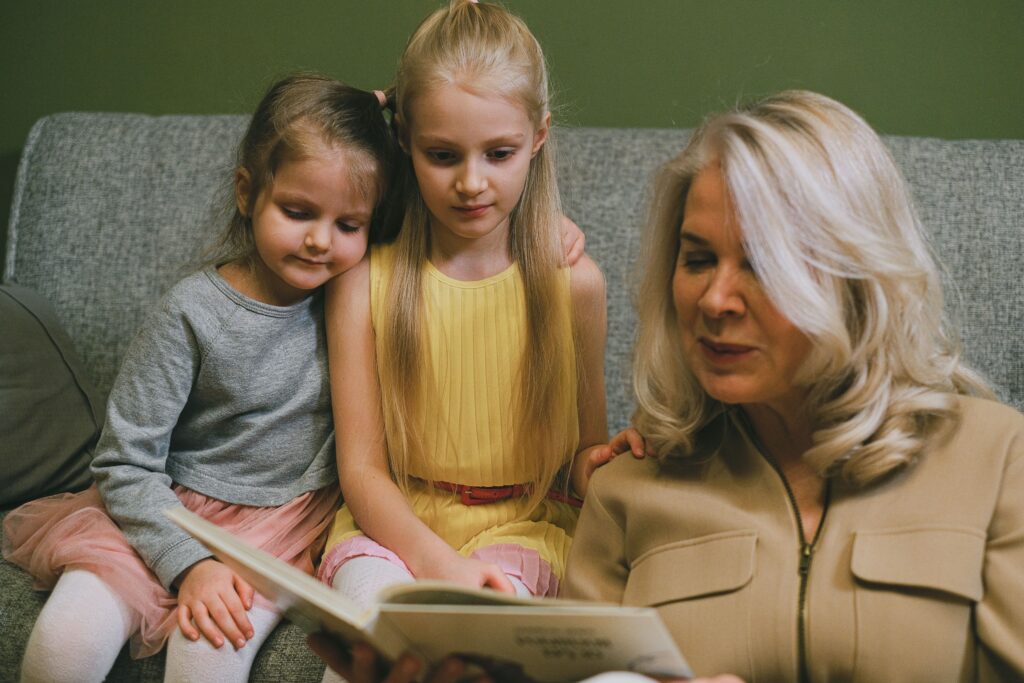
There was a time when families did not need reminders to stay connected. Conversations happened naturally over steaming cups of tea, shared meals, and long evenings spent together on terraces, verandas, or living room floors. Children waited eagerly for their parents to return home from work, grandparents narrated stories from another era, and cousins turned ordinary afternoons into unforgettable memories. Life was not perfect then either, but relationships often felt warmer because people truly made time for one another.
Today, the world has changed faster than anyone imagined. Technology has made life convenient, yet somewhere in the middle of endless notifications, deadlines, and digital distractions, many relationships have quietly become distant. Ironically, we are more connected online than ever before, but emotionally, many people feel lonelier. Families sit together at the same dining table while scrolling through different screens. Messages have replaced conversations, and quick reactions have replaced heartfelt emotions.
Modern life has undoubtedly brought opportunities and growth. People move to different cities and countries for education, careers, and better futures. Parents work tirelessly to provide comfort to their children, while children themselves face academic pressure, social expectations, and the constant race to keep up with the world. In all this chaos, family bonds are often taken for granted until life reminds us how important they truly are.
Changing times have also changed the definition of family in many ways. Earlier, joint families were common, where grandparents, uncles, aunts, and cousins lived together under one roof. Today, nuclear families have become the norm. While smaller families provide independence and privacy, they sometimes miss the emotional support system that larger families naturally offer. A child growing up today may have every modern gadget but may not experience the joy of listening to bedtime stories from grandparents or playing carefree games with cousins during summer holidays.
At the same time, it would be unfair to say that family values have disappeared completely. In fact, many people today are trying harder than ever to preserve relationships despite busy lives. A daughter studying abroad still video calls her parents every night. A father exhausted after work still finds time to help his child with homework. Siblings separated by distance continue to celebrate each other’s achievements through heartfelt messages and late-night phone calls. Love has not vanished; it has simply adapted to changing circumstances.
The true strength of a family does not lie in living under the same roof. It lies in understanding, trust, and emotional presence. Sometimes, a simple “How was your day?” can comfort a person more than grand gestures. Families become safe spaces when people feel heard rather than judged. In a world where stress, anxiety, and loneliness are becoming increasingly common, emotional support from family members can heal wounds that words cannot explain.
One of the biggest challenges in modern families is the lack of time. Everyone seems busy chasing goals, careers, and responsibilities. However, relationships cannot survive on convenience alone. They need effort. A family meal without phones, a short evening walk together, celebrating small moments, or simply listening patiently can slowly rebuild emotional closeness. Bonds do not strengthen through expensive gifts but through genuine presence.
Another noticeable change is the growing generation gap between parents and children. Older generations often struggle to understand the fast-paced digital world, while younger people sometimes fail to understand the experiences and sacrifices of their elders. This gap creates misunderstandings, frustration, and emotional distance. Yet, when both generations choose patience over ego, beautiful connections are formed. Elders carry wisdom from experience, while the younger generation brings fresh perspectives and energy. Families flourish when both learn from one another instead of competing to be right.
Difficult times often reveal the real meaning of family. During illness, grief, financial struggles, or emotional breakdowns, it is the family that usually stands beside us. Friends, social media, and temporary distractions may offer momentary comfort, but genuine care from loved ones has a different kind of strength. Even silent support from family members can make a person feel less alone in the darkest moments.
In changing times, family bonds may not look the same as they once did, but their importance remains unchanged. The world outside will continue to evolve, lifestyles will continue to transform, and technology will continue to advance. Yet, at the end of exhausting days, most people still search for warmth, understanding, and belonging. That feeling of being loved without conditions is what makes family irreplaceable.
Perhaps the need of the hour is not to return to the past, but to carry forward its emotional values into the future. Families today may communicate differently, live differently, and face different struggles, but kindness, respect, empathy, and togetherness are timeless. Relationships survive not because life is easy, but because people choose each other despite the difficulties.
In the end, family bonds are like the roots of a tree. Even when storms arrive and seasons change, strong roots quietly hold everything together.
Author’s Note:
In a rapidly changing world, relationships often become secondary to responsibilities and routines. This blog is a gentle reminder that while technology and lifestyles may evolve, human emotions remain the same. Sometimes, all a family truly needs is a little more time, understanding and love.
Image Courtesy:https://www.pexels.com/@shvetsa/
If this reflection resonated with you, feel free to share your thoughts in the comments below.
– Dr Arwa Saifi

About the Writer
Dr. Arwa Saifi is an acclaimed Career Writer with over 18 years of experience in the literary and education space. Honoured with an Honorary Doctorate in Literature, she is also an Amazon #1 Bestselling Author. Her career includes contributions to Education Times, a supplement of The Times of India, where she brought her expertise to one of the country’s leading newspapers.
Dr. Saifi has served as the editor of several prestigious school and college magazines in Mumbai, shaping young voices and nurturing a culture of expression. She is the author of 10 published books and has collaborated as a co-author in more than 40 anthologies. Her work reflects a deep commitment to storytelling, education, and empowering aspiring writers.


Dear Arwa, this is such a thoughtful and beautifully articulated write-up. Every word resonates deeply, and I couldn’t agree more with your perspective. Truly impactful and wonderfully expressed.
🙏🙏